
Structured Water: A Closer Look at the Water Inside Your Cells
- Noemi LIFE

- 4 days ago
- 4 min read
At Noemi LIFE, we approach wellness through a simple lens: understand the body, respect the science and stay curious without falling for shortcuts. Few topics sit at the intersection of curiosity and controversy quite like structured water.
You may have heard it called hexagonal water, EZ water, or *living water*. Beyond the buzzwords, structured water invites a deeper conversation about how water behaves inside the body and why hydration is more complex than just drinking more.

What Is Structured Water?
Structured water refers to water that has a more ordered molecular arrangement than ordinary liquid water. In biological systems, water doesn’t simply slosh around randomly. Instead, it forms organised layers around proteins, cell membranes and connective tissue.
This phenomenon is most often linked to Exclusion Zone (EZ) Water, a term introduced by Professor Gerald Pollack, whose research shows that water adjacent to hydrophilic surfaces can form a semi-crystalline, negatively charged phase.
In living systems:
* Water inside cells is structured
* This structure supports electrical charge separation
* Energy (particularly infrared light) helps maintain this organisation
This means the body doesn’t just contain water — it actively organises it.
Why Structured Water Matters for Health
At a cellular level, structure matters. The majority of water in the human body exists within tissues, not between them, organised around collagen, enzymes and membranes.
Emerging research suggests structured water may play a role in:
* Cellular hydration efficiency
* Nutrient and waste transport
* Electrical signalling
* Mitochondrial energy production
Rather than acting as a passive solvent, water may function as an active participant in biological processes.
At Noemi LIFE, we see structured water not as a miracle solution, but as part of a broader conversation about how the body maintains energy, order and resilience.
Where Structured Water Exists Naturally
Structured water is not created by technology, it exists abundantly in nature.
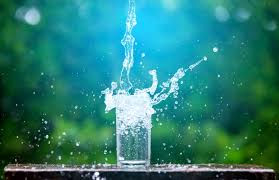
Natural Spring & Mineral Water
Water flowing through rock and mineral layers experiences pressure, movement, and mineralisation, all factors that encourage molecular organisation.
This may help explain why traditional cultures valued natural springs long before laboratory science could explain why.
Glacial Melt & Fast-Flowing Streams
Cold temperatures, turbulence and low contamination create conditions where water remains highly ordered, at least temporarily.
Living Foods
Perhaps the most overlooked source of structured water is food.
Plants store water in a gel-like, structured state within their cells. When we consume fresh fruits and vegetables, we absorb hydration that is already biologically compatible.
Water-rich foods include:
* Cucumbers
* Leafy greens
* Citrus fruits
* Watermelon
* Coconut water
This may be one reason hydration from whole foods feels different from drinking water alone.
What Happens to Water in Modern Life?
Modern water systems prioritise safety — but not structure.
Common factors that reduce water organisation include:
* Chemical treatment (chlorine, fluoride)
* High-pressure pumping
* Long storage periods
* Plastic bottling
* Lack of natural minerals
While treated water is essential for public health, it lacks many of the environmental conditions that support natural structuring.
Can We Re-Introduce Structure?
While we can’t replicate nature perfectly, certain habits may support water quality and biological hydration.
Filter First
Removing chlorine and contaminants is foundational. Clean water allows the body to do what it does best, organise it internally.
Remineralise Gently
Adding trace minerals (from natural sources) may help restore water’s conductivity and biological usefulness.
Light Matters
Research suggests infrared light, including sunlight, plays a role in maintaining structured water in tissues. Time outdoors is not just good for circadian rhythm, it may support hydration at a cellular level.
Eat Your Water
Hydration is not only about drinking. Whole, fresh foods remain one of the most reliable sources of biologically structured water.
Be Cautious with Devices
There are many products claiming to “structure” water. While some may improve taste or mineral balance, claims of permanent molecular restructuring should be approached with discernment.
What the Science Says — and Doesn’t Say
At Noemi LIFE, we separate what is known from what is still being explored.
✔ Water structuring near biological surfaces is real and measurable
✔ Light influences water behaviour in cells
✔ Hydration quality matters, not just volume
✖ There is limited clinical evidence that externally structured water delivers dramatic health benefits
✖ Claims of water retaining long-term structure outside the body remain unproven
Curiosity is warranted. Certainty is not.
The Noemi LIFE Perspective
Structured water is less about finding the perfect water, and more about understanding how the body creates order from its environment.
Rather than chasing trends, we focus on:
* Clean, mineral-rich water
* Light exposure and circadian health
* Whole foods and cellular nourishment
* Supporting the body’s innate intelligence
When these foundations are in place, the body structures its water naturally, no gimmicks required.
Noemi LIFE's Final Thought
Hydration is not a numbers game. It’s a biological relationship between water, light, minerals and living tissue.
Structured water reminds us of something simple but profound: health is not just chemistry — it’s organisation.


Comments